WE BECOME HOLCIM FOR INFINITE POSSIBILITIES
As a result of the rebranding of Lafarge into Holcim, we are able to meet the biggest challenges of today's construction sector.
We are expanding our range of solutions for the construction industry. In addition to the well-recognised and appreciated products of cement, concrete or construction chemicals, new products and system solutions for construction - from the foundation to the roof - developed in Holcim's innovation centres around the world are being added to the Holcim portfolio. The global scale of Holcim's operations ensures greater stability of supply and more efficient logistics.
Holcim is committed to supporting sustainable construction and reducing its environmental impact. Reducing the embedded and operational carbon footprint is our strategic objective.
The emergence of the Holcim brand is also a step towards process improvement and the development of new technologies and products that enable the use of resources in a sustainable way.
Concrete is a material that is made from biodegradable materials, but for years it has faced a reputation for having a negative impact on the natural and urban environment. However, the problem lies in the inappropriate use of concrete, not in the material itself. Through proper application and the use of more neutral substitutes, concrete can become an ally of the landscape and promote the well-being of people and nature. At Holcim, we harness the positive properties of concrete and introduce innovative and pro-environmental practices such as:
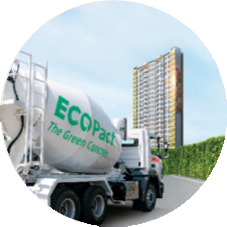
- ECOPact - concrete with an almost 50% lower carbon footprint than standard ready-mix concrete.
- ECOCycle - concretes produced using recycled aggregates and ECOPlanet - cements with up to 30-50% lower carbon footprint than Portland cements. We use recycled materials and raw materials in their production.
- FIRE Concrete - smoke-proof concrete used for the construction of reinforced concrete smoke ventilation shafts without the need for additional smoke-proof insulation.
- HYDROMEDIA is a water-permeable, multi-purpose surface that allows very rapid drainage of rainwater into the ground or into sewer systems. It is a pro-environmental solution that drains rainwater into the ground, promoting the natural circulation of water in nature.
EPD - a declaration of benefits for the environment, business and people
Climate change is a reality and the construction sector has a key role to play in reducingCO2 emissions throughout the production chain. Today, construction is responsible for 40% of total emissions, where 2/3 comes from the use of buildings and 1/3 from building materials.
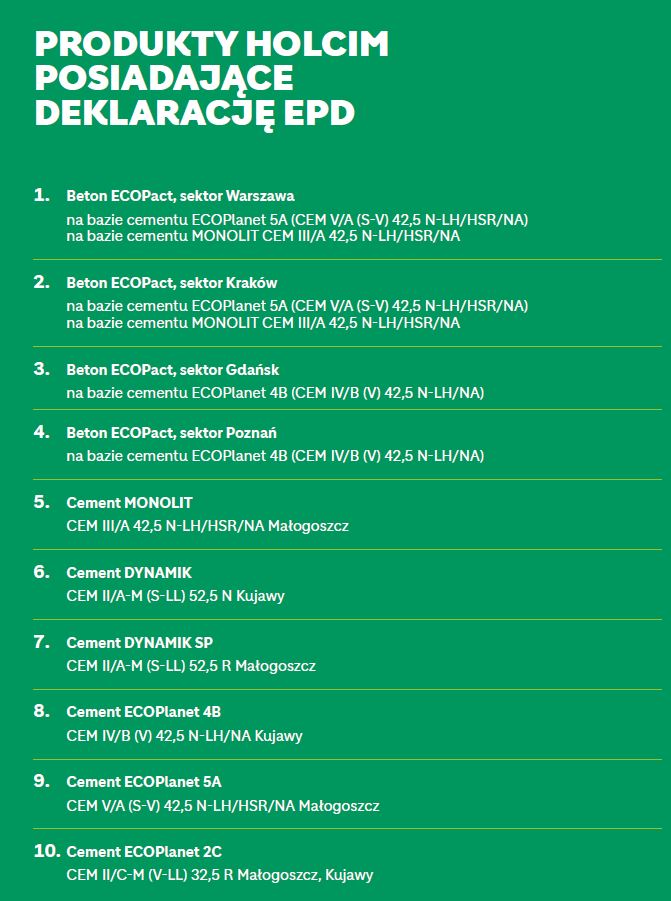
Lafarge and the Holcim Group, of which we are a part, have taken a leadership role in innovative and sustainable construction solutions, while becoming a change-maker in the construction sector. This is confirmed by our obtaining Type III Environmental Product Declarations (EPD) for cements and concretes produced at our plants in Poland.
EPD certificates provide assurance that our products meet the conditions for sustainable construction and have a reduced carbon footprint. The declaration documentation has been approved by the Building Research Institute (ITB), which is highly regarded among specialists in Poland and Europe, and which for 75 years has been using the latest research methods and specialised measurement apparatus to support the development of the construction industry at home and abroad.
This is very good news for the environment and for you, our customers. I encourage you to read the declaration and use our cements and concretes for the benefit of us and future generations.
Maciej Sypek
President, CEO Holcim Poland
Thanks to EPD declarations:
you know the parameters determining the environmental impact and consumption of natural resources during the production of construction materials
you can assess the life cycle of a building and design it for sustainability and impact on global warming
Carry out an LCA analysis of the life cycle of your building and design it in the most planet-friendly way possible.
make a real impact on the world around you by being able to compare and choose cements and concretes with the lowest carbon footprint - without sacrificing the quality of the final product
you are confident that you are getting nature-friendly products that are safe for contractors and building users
you increase the number of points in the green building certification process (such as BREEAM or LEED); certified products
build a positive image for your company by introducing environmentally friendly products that the market is looking forward to.
as a Lafarge customer, you can use our data to prepare EPD declarations for your products.
you gain full knowledge of the impact of the various stages of production on the environment and the planet
A LEADER IN INNOVATIVE AND SUSTAINABLE SOLUTIONS
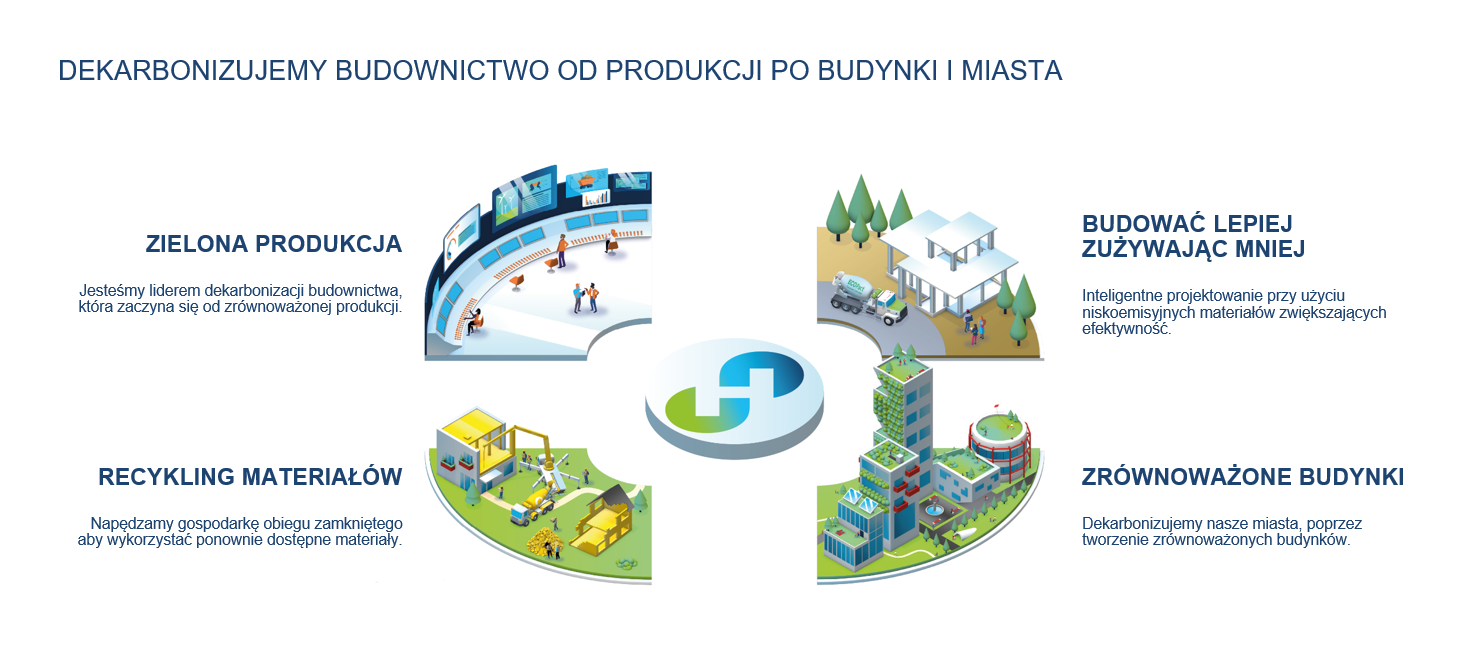
Every day, we use enough building materials in the world to build a city the size of New York. Therefore, we need to use materials for as long as possible to build more with less. The majority of construction emissions come from the entire life cycle of buildings. Buildings lose up to 60% of their energy through poor insulation, necessitating the production of additional energy to reheat them. In Poland, most of this energy comes from carbon-intensive energy sources. Therefore, we must strive to improve the energy efficiency of buildings, while at the same time affecting maintenance costs and the comfort and health of occupants, as well as speeding up the construction process.
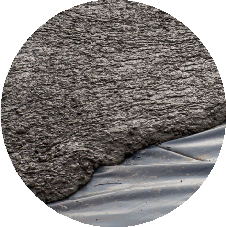
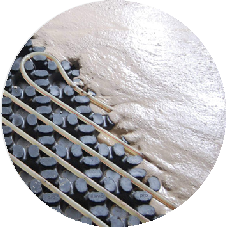
Using the right materials is key here. Already today, we can insulate houses quickly and effectively using cement-based foam as an alternative to other materials, which reduces insulation time. We can build foundations faster, while using less steel thanks to the use of properly prepared concrete, while maintaining the same strength. This also has the effect of reducing the weight of the structure. We also need to take care of what happens to the building after it is in use. We can recycle concrete many times over, and we try to keep it in use for as long as possible, recycling structures and demolition waste whenever possible. In this way, we save natural resources such as aggregates and limestone.
SOLUTIONS THAT WORK FOR THE PLANET