

.png&w=3840&q=75)
PURMO

Rettig Heating Ltd. is part of the Rettig ICC Group, the world's largest manufacturer of radiators.
The flagship brand of the Rettig Group is Purmo, the undisputed leader in many European markets, including Poland. Under the Purmo brand, panel radiators, bathroom radiators, decorative radiators, trench radiators, electric radiators and underfloor heating are sold in Poland. Current market position
Current market position

Rettig Heating's investments are among the largest in the history of Polish-Finnish relations, making our company one of the most significant foreign investors in Poland. Currently, the Rettig Heating Group is the largest manufacturer of panel radiators in Europe.
Currently, the Rettig Heating Group is the largest manufacturer of panel radiators in Europe. In total, its factories in Finland, Poland, Germany, Belgium, France, Sweden and China produce up to 9 million units. The Purmo brand is very popular among professionals – installers and designers.
The Purmo brand is very popular among professionals - installers and designers. As many as 88% of designers and 76% of installers surveyed declared their cooperation with Rettig Heating. 56% of designers and 35% of installers most often use Purmo radiators in their work. The survey shows that professionals choose these radiators primarily because of the well-known brand, wide range of products and high quality. Very often, the customer or investor simply wants Purmo radiators to be installed.
Company history
How Rettig Heating was founded
The history of Rettig Heating begins in the 1770s, when Steffen Cerillius Rettig passed his master tobacco exam in Hamburg. Around 1790, he founded a tobacco factory in Ringkjoping, Denmark, and in 1810 he launched a new production plant in Karlskrona, Sweden, under the name Jacob Rettig & Co. With the help of his son Steffen Cerillius Rettig, he expanded the business by successfully engaging in , shipbuilding and iron production. In 1845, the Rettig family moved to Turku in Finland, where their businesses also prospered. Among other things, Rettig became one of the leading beer producers in the country.
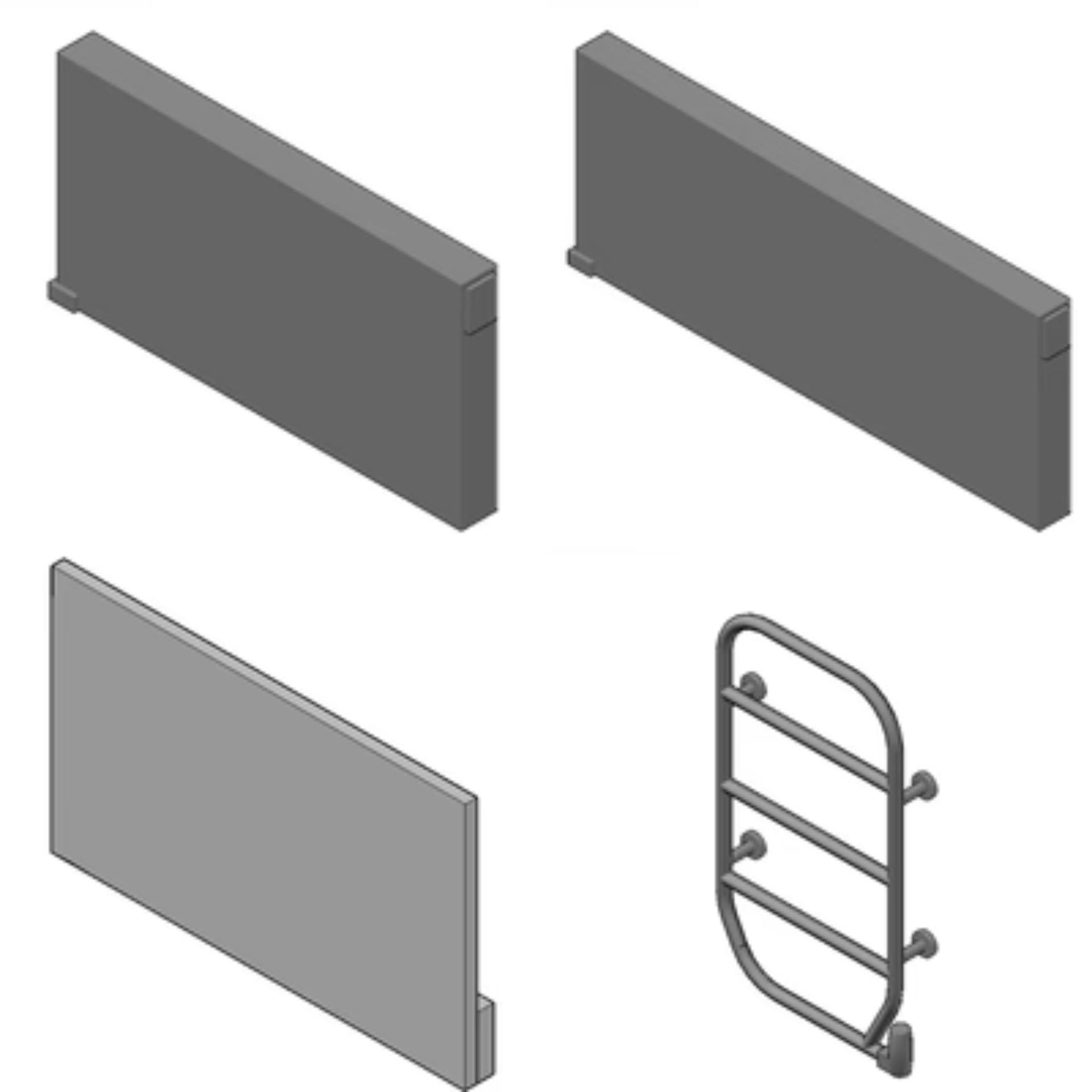
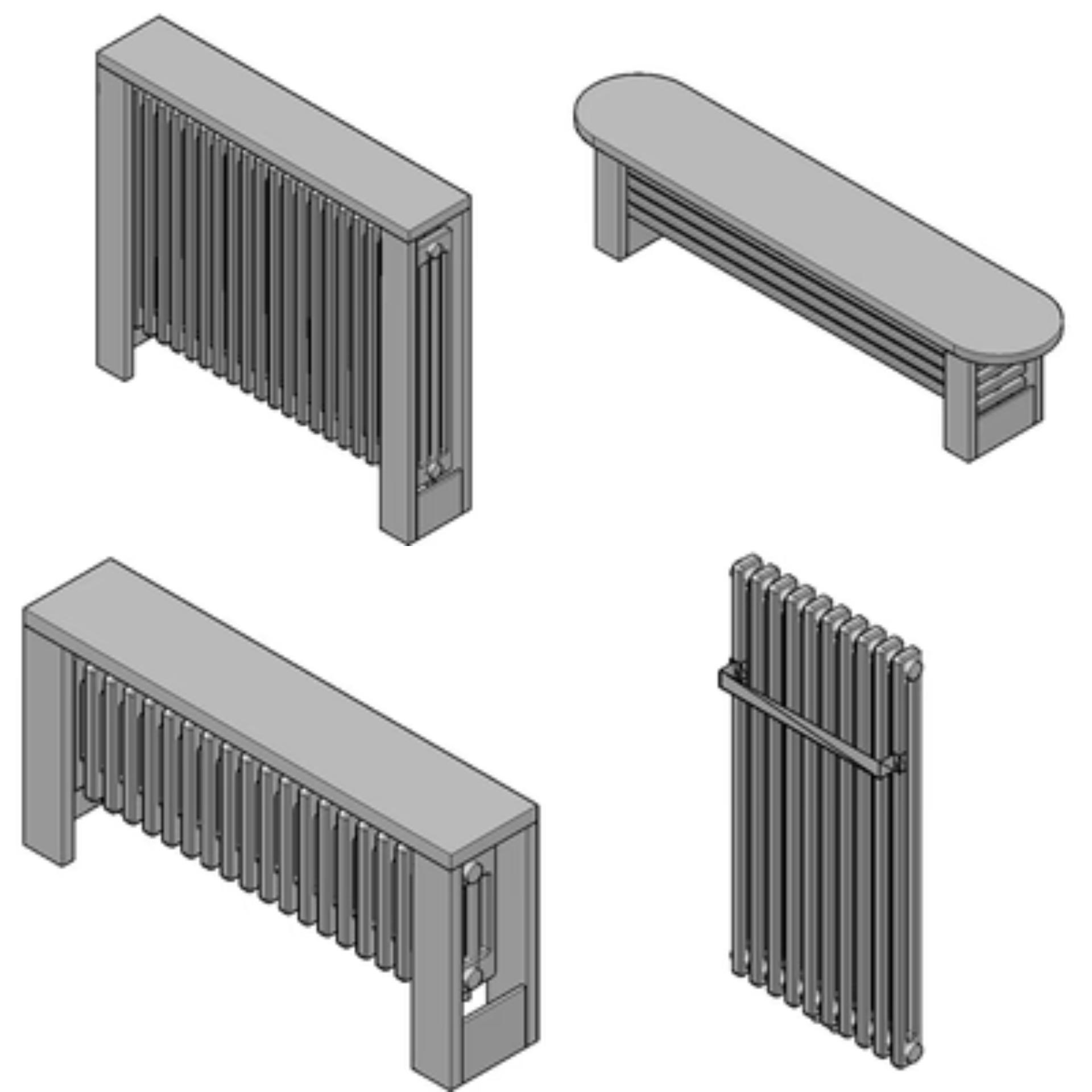
Today, as in the past, the group is a private family business wholly owned by the Rettig family. The owners attach great importance to the family atmosphere, which is carried over to the companies within the group. The group is active in the radiator, aluminium and shipbuilding industries, as well as real estate. Rettig Indor Climate operates in the heat emission industry. The best-known Rettig brands include: Purmo, Vogel&Noot, Myson, Dia Norm, Finimetal, Termopanel, Radson and LVI. Rettig is a global leader in the radiator market . Purmo radiators are present in almost all European countries. They are also gaining ground in China and Japan. Rettig offers, among other things, panel radiators, bathroom radiators, electric radiators, decorative radiators, convectors, ventilation radiators, radiators for healthcare facilities and water underfloor heating. Rettig offers, among other things, panel radiators, bathroom radiators, electric radiators, decorative radiators, convectors, ventilation radiators, radiators for healthcare facilities and water underfloor heating.
Rettig offers, among other things, panel radiators, bathroom radiators, electric radiators, decorative radiators, convectors, ventilation radiators, radiators for healthcare facilities and water underfloor heating.
The history of the Purmo brand
Purmo is the name of a small town in central-western Finland. In 1952, three friends founded a small factory in this town that produced agricultural tools. Three years later, their factory, which they named Purmo-Produkt, was destroyed by fire, forcing the founders to move production to the nearby town of Jakobstad, where they continued to develop their business. At the end of the 1950s, Purmo-Produkt bought a small radiator factory, and thus began the production of the first panel radiators under the Purmo brand, which were designed to withstand the harsh climate of northern Scandinavia. radiator factory, and thus began the production of the first panel radiators under the Purmo brand, designed to withstand the harsh climate of northern Scandinavia. In the early 1970s, Purmo-Produkt was acquired by the Rettig Group. Radiator production was modernised and automated. Purmo radiators quickly became successful in Finland and began to be exported. Rettig. Radiator production was modernised and automated. Purmo radiators quickly became a success in Finland and began to be exported to Germany, among other countries. The company opened sales offices in other European countries. sales offices in other European countries. Currently, Purmo panel radiators are manufactured in factories in Finland and Poland, from where they are distributed to approximately 20 countries. The Purmo brand also includes bathroom radiators, decorative radiators, special radiators and water underfloor heating systems.
Rettig Heating in Poland
Rettig Heating appeared in Poland in 1992, when the company decided to buy out the only importer of Finnish Purmo radiators in Poland at the time - the private company TKM. As a result of this transaction, Rettig Polska was established. Thanks to their excellent quality, Purmo radiators quickly gained recognition among among individual investors and installers alike. Customers appreciated their functionality and aesthetics, and outdated iron radiators began to become obsolete. The commercial success contributed to the strategic decision to start production in Poland. In 1993, part of Huta Silesia in Rybnik was purchased, and a year later, the first radiators began to roll off the production lines. In 1994, the company's production capacity was expanded by the purchase of the former start production in Poland. In 1993, part of Huta Silesia in Rybnik was purchased, and a year later, the first Polish Purmo radiators began to roll off the production lines. Currently, in addition to panel radiators, the factory in Rybnik also produces , the Rybnik factory also produces Rolljet insulation panels, one of the components of water underfloor heating. Half of the annual production of the Polish factory is exported to foreign markets, primarily to the United Kingdom, Hungary and Russia. Purmo radiators are also supplied to Asian markets, mainly China and Japan.
In Poland, the name Purmo quickly became synonymous with panel radiators. In this segment, nearly 50% of the devices sold on the Polish market are Purmo panel radiators. are equally popular. Since 1998, Purmo water underfloor heating has also been installed, with sales steadily increasing. The Rettig Heating Group has been meeting European quality standards set by the
For years, Rettig Heating has been meeting the European quality standards set by the British Standards Institution. In 1995, this British institution awarded the company the ISO 9002 quality certificate; and at the end of 2003, Rettig Heating received ISO 9001 certification confirming the highest quality of Purmo products. The Polish Rettig Heating factory in Rybnik also obtained ISO 14001 environmental certification, awarded for implementing an environmentally friendly policy. Quality
Quality
Rettig Heating Sp. z o.o., the manufacturer of PURMO radiators, has all the necessary certificates and approvals for the sale and use of its products in the construction industry. The documentation includes PZH Hygienic Certificates and Declarations of Conformity with the Standard. In addition, we also provide certificates of compliance with the ISO 9001 standard. The documentation includes PZH Hygienic Certificates and Declarations of Conformity with the Standard. In addition, we also provide certificates of compliance with the ISO 9001 standard.
In addition, we also provide certificates of compliance with the ISO 9001 standard.

Buyer's guide

Radiator selection
A radiator is one of the most important elements of a central heating system, as it is directly involved in transferring heat to the room. This means that it must be selected carefully to ensure that the room it heats is kept at the right temperature.
Purmo offers many types of radiators, differing in purpose, design, dimensions, shape, and sometimes colour, so every customer is sure to find the radiator that suits them best. The selection of the most suitable radiator for visual reasons must always be based on a certain value, which, due to the basic function of the radiator, is the most important and, at the same time, not always well understood. This is the heat output of the radiator, which is given in kilowatts. based on a certain value, which, due to the basic function of the radiator, is the most important and, at the same time, not always well understood. This is the heat output of the radiator, given in watts [W] for different supply and return temperatures return temperature of the heating medium and the temperature in the room where the radiator will be installed. The radiator must be selected so that its heat output is higher than or at least equal to the heat demand of the room ( the term "room heat loss" is also often used). The amount of heat loss is related to the properties the building and its location and should be calculated by the designer. These calculations are included in most ready-made designs for single-family houses, but are often missing in individual designs. A common mistake made when selecting radiators is to determine their power indicatively
A common mistake made when selecting radiators is to determine their power indicatively based on the surface area or volume of the rooms. This method is fraught with error, as the heat demand index in relation to surface area can vary from 40 to even 200 W/m² because it depends on many factors that must always be taken into account. In order to enable the correct selection of radiators, we provide below the basic factors that we need to know when determining the heat loss of rooms and, consequently, the size of radiators:
- Outside temperature. Depending on the location of the building in Poland, a climate zone is determined for which the calculated outside air temperature is assumed. It ranges from -16 °C at the seaside to –24 °C in the mountains. The lower the calculated external temperature, the greater the heat loss for an identical building. Building location and wind conditions. In buildings located in open spaces and in windy regions, the heat demand is higher than for the same building located in a sheltered area.
- Building location and wind conditions. In buildings located in open spaces and windy regions, the heat demand is higher than for the same building located in a dense urban area or in an area sheltered by trees. Thermal protection of rooms - heat transfer coefficient of walls, ceilings and floors. Well-insulated buildings with a low heat transfer coefficient are more resistant to heat loss.
- Thermal protection of rooms - heat transfer coefficient of walls, ceilings and floors. Well-insulated buildings with a low heat transfer coefficient through building partitions require significantly less heat to maintain a comfortable temperature inside the rooms.
Type of windows and glazing. High-quality windows with low heat transfer coefficients allow for savings in heating costs.
- Type of windows and glazing. High-quality windows with low heat transfer coefficients allow for savings in heating costs. Large glazed areas increase heat loss. Number and location of external walls in the room in relation to the cardinal directions. Heat gains from
- The number and location of external walls in the room in relation to the cardinal directions. Heat gains from sunlight allow for the selection of smaller radiators.
- Internal temperature. This depends on the purpose of the room – the higher the required temperature, the larger the radiator we need to choose. Heating medium parameters. In most cases, the heat output is specified in relation to the parameters of the heating medium, i.e. the supply and return temperatures and the temperature of the heating medium.
- Heating medium parameters. In most cases, the heat output is specified depending on the parameters of the heating medium, i.e. the supply and return temperatures and the room temperature at 75/65/20 °C or 70/55/20 °C. If the system operates at parameters other than those specified in the power tables or if the room temperature is different from 20 °C, we must use the coefficients. If the system operates at parameters other than those given in the power tables, or if the room temperature is different from 20 °C, we must use correction factors to correctly calculate the radiator power. Remember that the radiator should be mounted on an external wall, preferably under a window. Then the cold air coming through the window is heated by the radiator.
It is also important to remember that the radiator should be mounted on an external wall, preferably below a window. This allows cold air entering through the window to be heated by the radiator before entering the room. This ensures an even temperature distribution throughout the room. If the radiator is located elsewhere, its size may need to be increased by up to 20%. The thermal efficiency is also affected by whether the radiator is built-in or covered, in which case it is necessary to increase its size by up to 20%. makes it necessary to increase its size by up to 20%. The thermal efficiency is also affected by whether the radiator will be built-in or covered, in which case larger radiators must be selected.
As you can see, choosing the right size of radiator is not as simple as it may sometimes seem. To make it easier, Rettig Heating Sp. z o. o. has developed a special computer programme called Purmo SDG for simplified (but not indicative) selection of Purmo radiators in single-family homes. The programme can be downloaded from the manufacturer's website and, once installed, it is very user-friendly and allows you to select the right radiators based on the data entered, most of which is described above. For single-family homes, we offer a whole range of panel, bathroom,

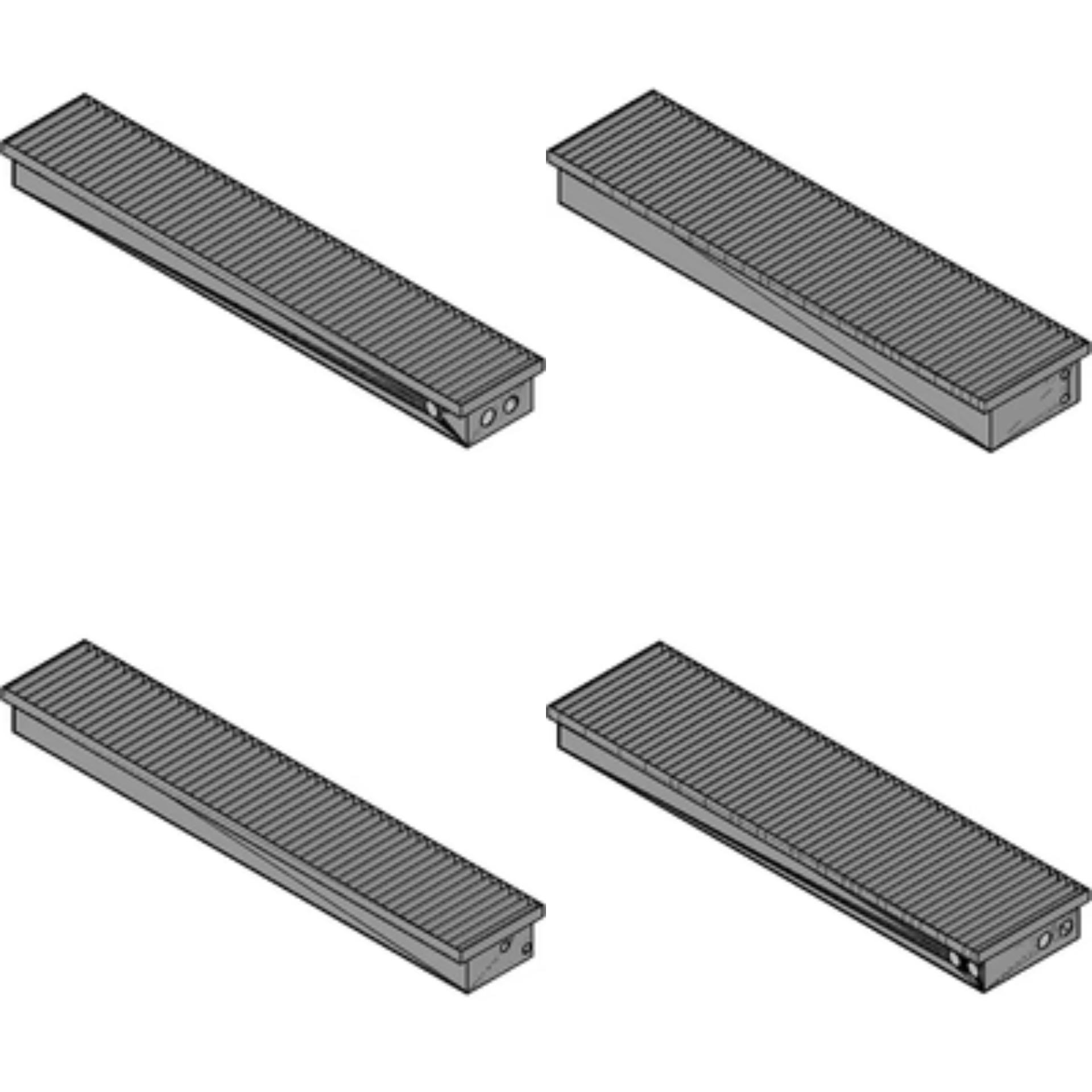
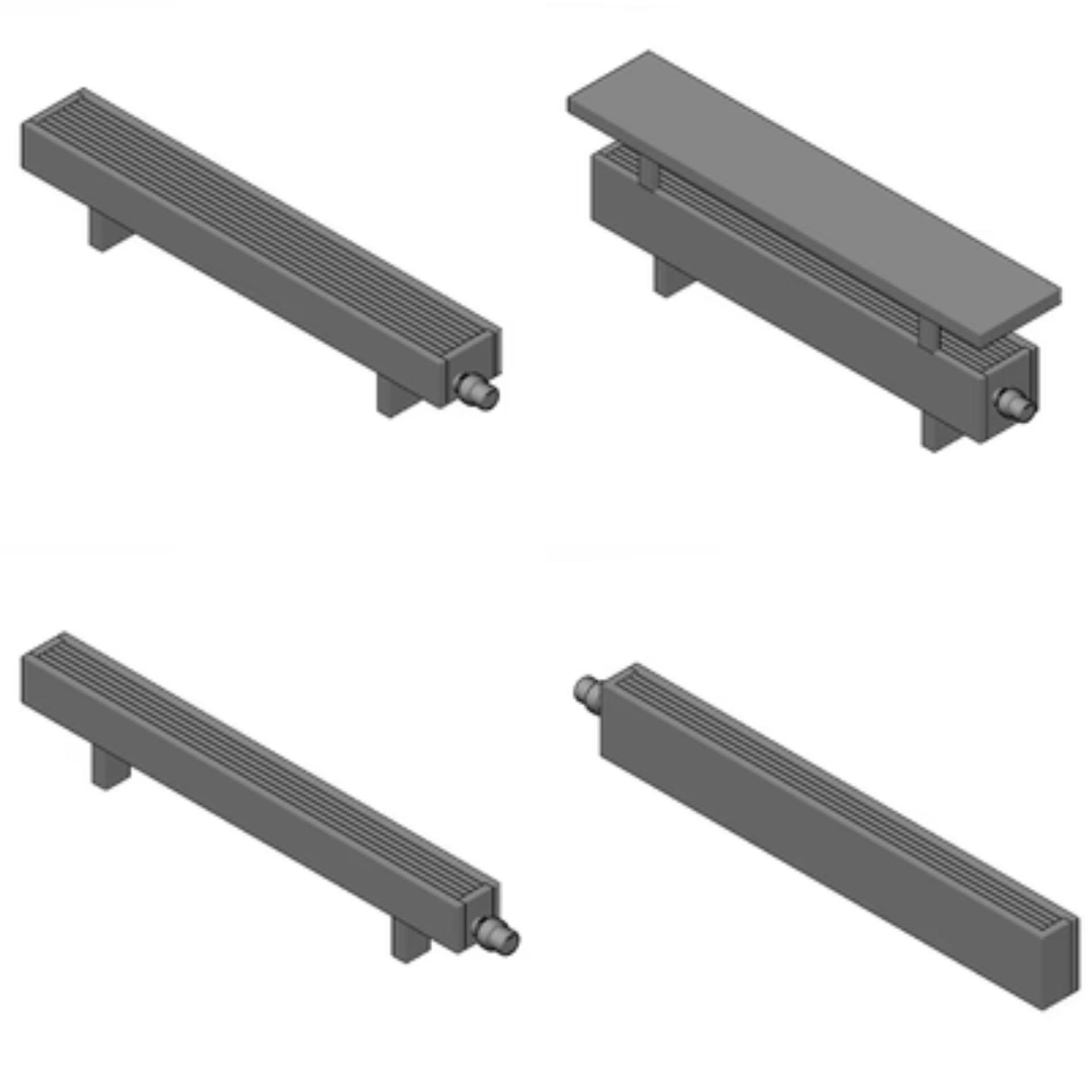
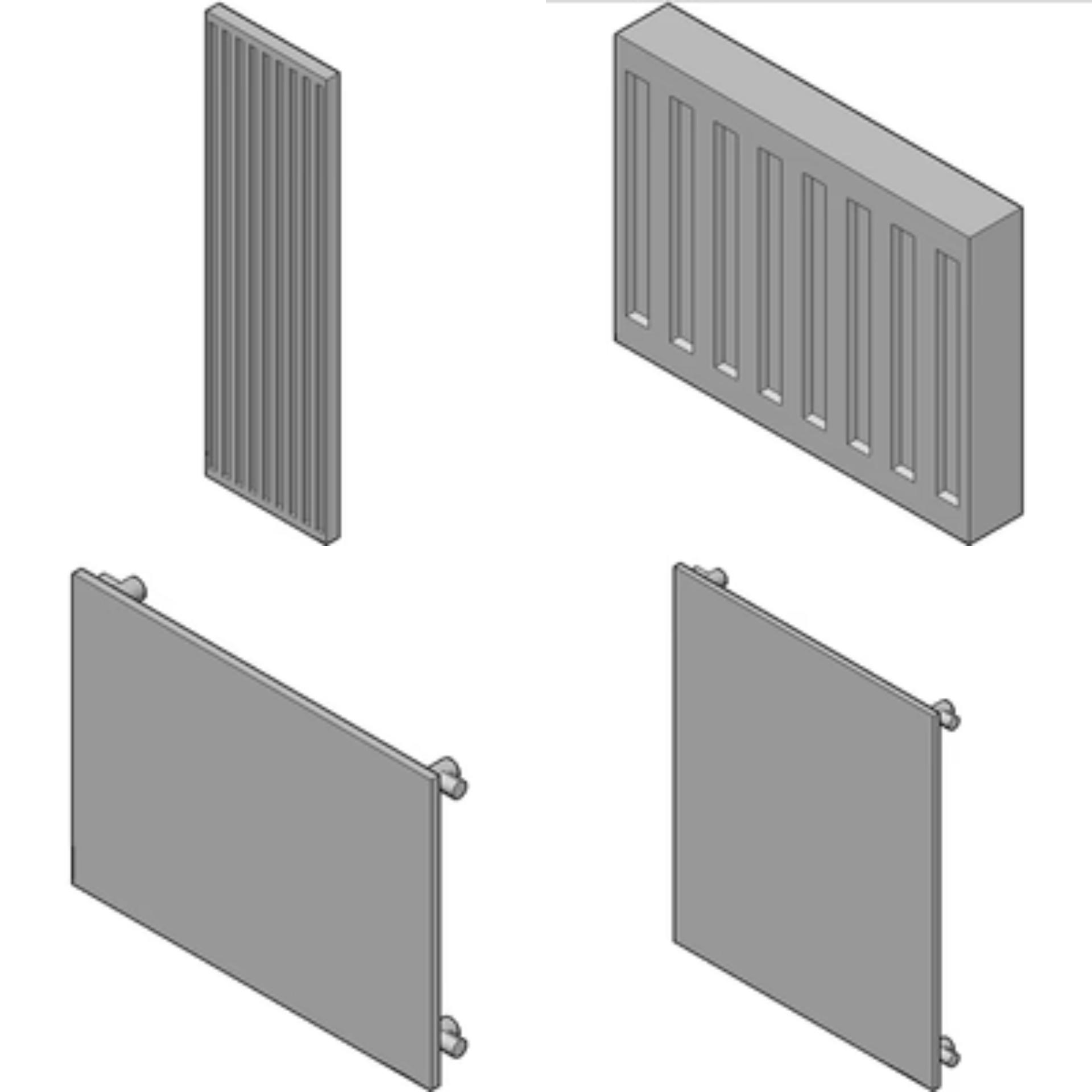
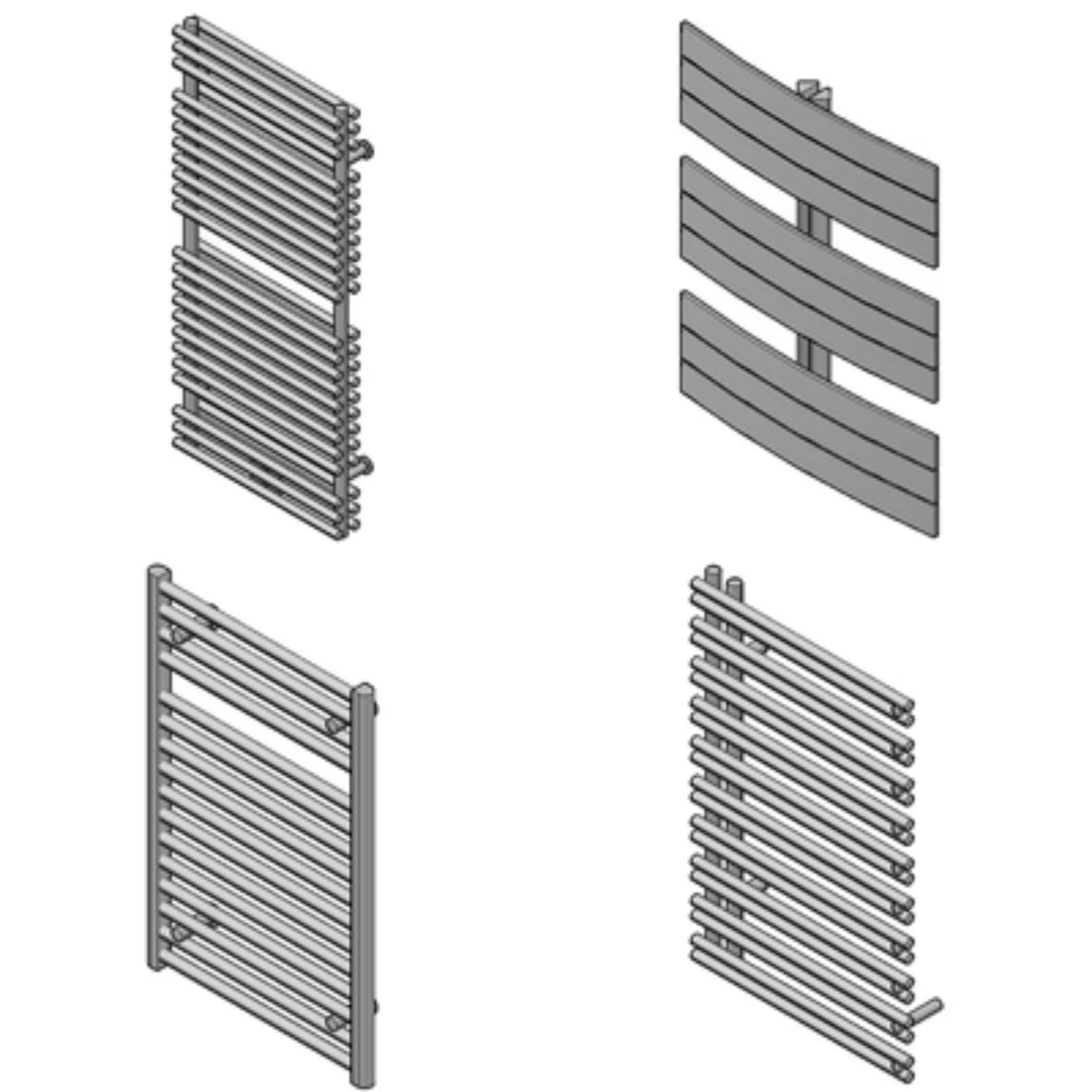
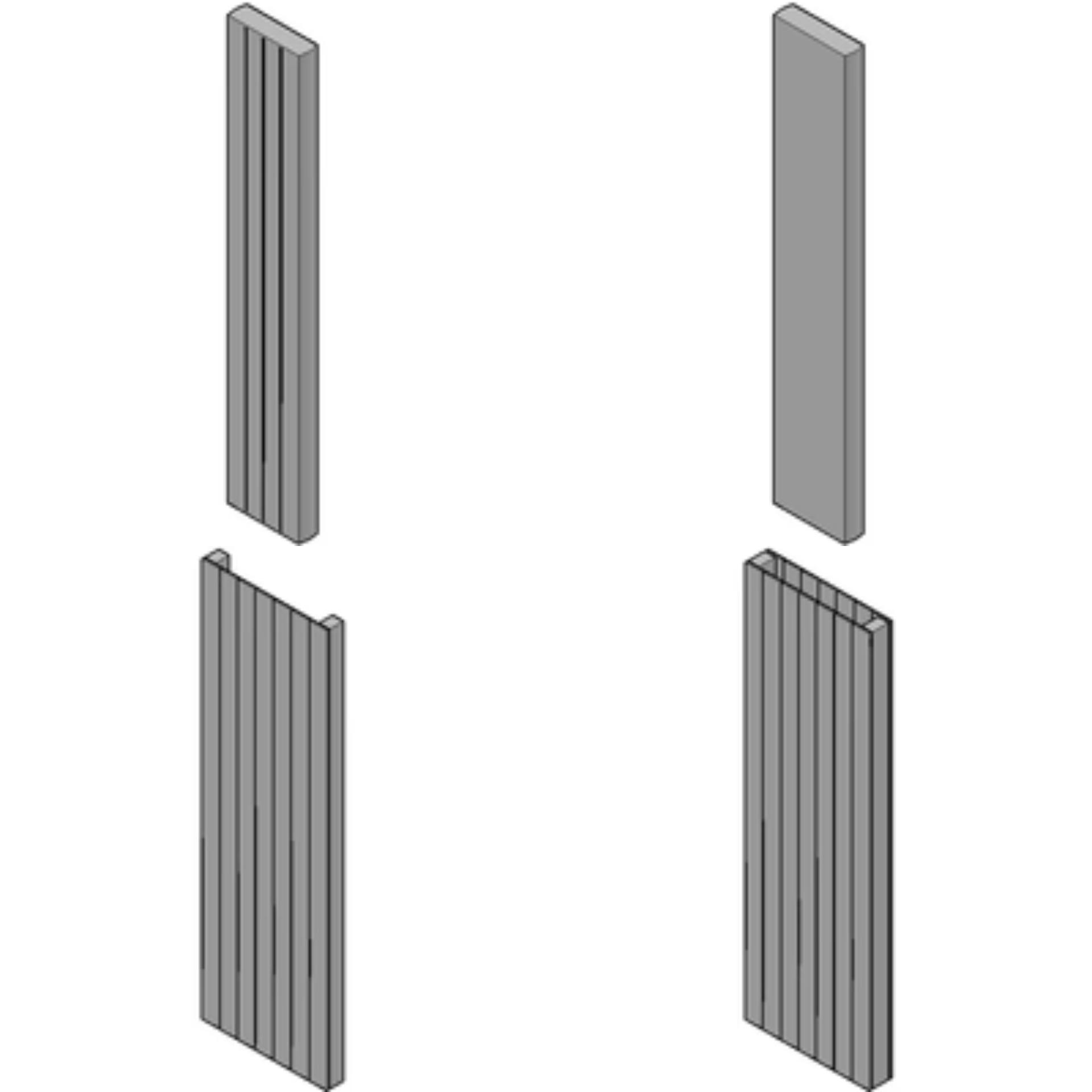
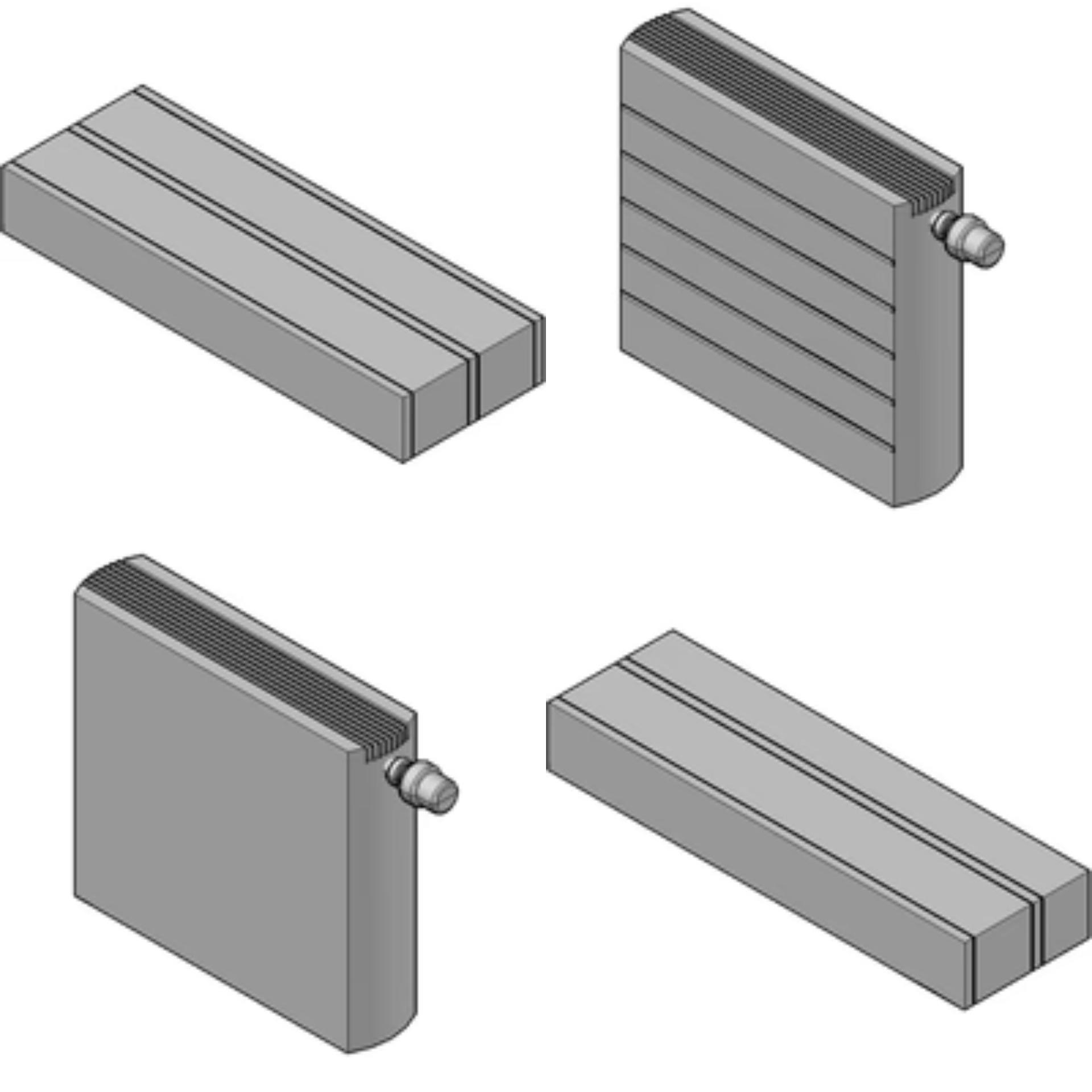
For single-family homes, we offer a whole range of panel, bathroom, decorative, convector, electric and duct radiators. It should be noted that in rooms with high humidity, such as bathrooms and saunas, panel and decorative radiators should not be used. If the installation is distributed in the walls of the building, side-fed panel radiators can be used. decorative radiators should not be used. If the installation is distributed in the walls of the building, side-fed panel radiators can be used. In the case of underfloor heating, radiators with bottom connections can be used. The height of radiators installed under windows depends on the distance between the window sill and the floor.
If the installation is distributed in the floor, radiators with a connection from below can be used. The height of radiators installed under a window depends on the distance between the window sill and the floor - the lower edge of the radiator must be at least 10 cm above the floor, and the upper edge at least 10 cm below the window sill. CAD/BIM video tutorial
CAD/BIM video tutorial
Contact persons
Tomasz Podleś, Technical Advisor - radiators, tomasz.podles@purmo.pl, tel. 22 544 10 25
Marcin Kotas, Technical Advisor - underfloor heating, marcin.kotas@purmo.pl, tel. 22 544 10 24
Anna Pomarańska, Marketing Specialist, anna.pomaranska@purmo.pl, tel. 22 544 10 12